
OUR BLOG
How Regular Exercise Improves Quality of Life
Exercise is often associated with weight management or athletic performance, but its impact extends much further. Consistent physical activity affects the body and mind in ways that can improve daily experiences, support long-term health, and help people feel more capable in their everyday activities.
A healthy lifestyle does not require spending hours in a gym or following an intense training plan. Simple, consistent movement can make a significant difference. From boosting energy to supporting emotional well-being, exercise remains one of the most effective tools for improving quality of life.
Increased Energy Throughout the Day
Many people assume that exercise will leave them feeling tired. While physical activity does require effort, it often results in greater energy levels over time.
Regular movement improves cardiovascular function, allowing the heart and lungs to deliver oxygen more efficiently throughout the body. This increased efficiency helps reduce fatigue and supports better endurance during daily tasks.
Activities such as brisk walking, cycling, swimming, or strength training can help individuals feel more alert and productive. Even a short workout can provide a natural energy boost that lasts for hours.
Better Mental Health and Emotional Balance
Exercise plays a valuable role in supporting mental well-being. Physical activity encourages the release of chemicals in the brain that contribute to positive feelings and reduced stress levels.
Many people find that regular exercise helps them:
Manage daily stress more effectively
Improve mood
Reduce feelings of anxiety
Increase confidence
Maintain a more positive outlook
Movement also provides a healthy outlet for releasing tension accumulated throughout the day. Whether it's a morning walk or an evening workout, exercise creates opportunities to clear the mind and reset mentally.
Improved Sleep Quality
Sleep is one of the foundations of good health, and exercise can contribute significantly to better rest.
People who engage in regular physical activity often fall asleep more easily and experience deeper, more restorative sleep. Quality sleep supports concentration, mood regulation, immune function, and physical recovery.
Consistent exercise helps regulate the body's natural rhythms, making it easier to maintain healthy sleeping patterns. Better sleep often leads to improved performance and focus during waking hours.
Stronger Muscles and Bones
Muscle strength and bone health become increasingly important with age. Exercise helps maintain and build both.
Strength training, bodyweight exercises, resistance bands, and weight-bearing activities can improve muscle mass and support bone density. These benefits help individuals remain active and independent for longer periods.
Strong muscles and bones can also reduce the likelihood of injuries and improve balance, coordination, and mobility.
Enhanced Heart Health
The heart is a muscle that benefits greatly from regular activity.
Aerobic exercises such as walking, jogging, cycling, dancing, and swimming strengthen the cardiovascular system. These activities help improve circulation and support healthy blood pressure levels.
Consistent exercise is associated with a reduced risk of many chronic health conditions related to cardiovascular health. Maintaining an active lifestyle can contribute to a healthier heart and improved overall physical function.
Greater Mobility and Flexibility
Daily movement becomes easier when the body maintains flexibility and mobility.
Stretching, yoga, mobility exercises, and functional fitness routines help joints move through their full range of motion. Improved mobility can make routine activities such as bending, lifting, reaching, and walking more comfortable.
Maintaining flexibility can also help reduce stiffness and support better posture, making everyday life more enjoyable and less physically demanding.
Increased Confidence and Self-Esteem
Physical activity often contributes to a stronger sense of self-confidence.
As fitness levels improve, many people notice positive changes in strength, endurance, posture, and overall physical capability. Achieving fitness goals, no matter how small, can create a sense of accomplishment.
Confidence gained through exercise frequently extends beyond physical health and influences work performance, social interactions, and personal growth.
Better Cognitive Function
Exercise benefits the brain as much as it benefits the body.
Research continues to show that physical activity supports memory, concentration, and mental sharpness. Increased blood flow to the brain helps support cognitive performance and may contribute to long-term brain health.
People who exercise regularly often report improved focus and productivity. This can be especially helpful for students, professionals, and anyone seeking greater mental clarity.
Social Benefits of Exercise
Exercise can also create opportunities for meaningful social connections.
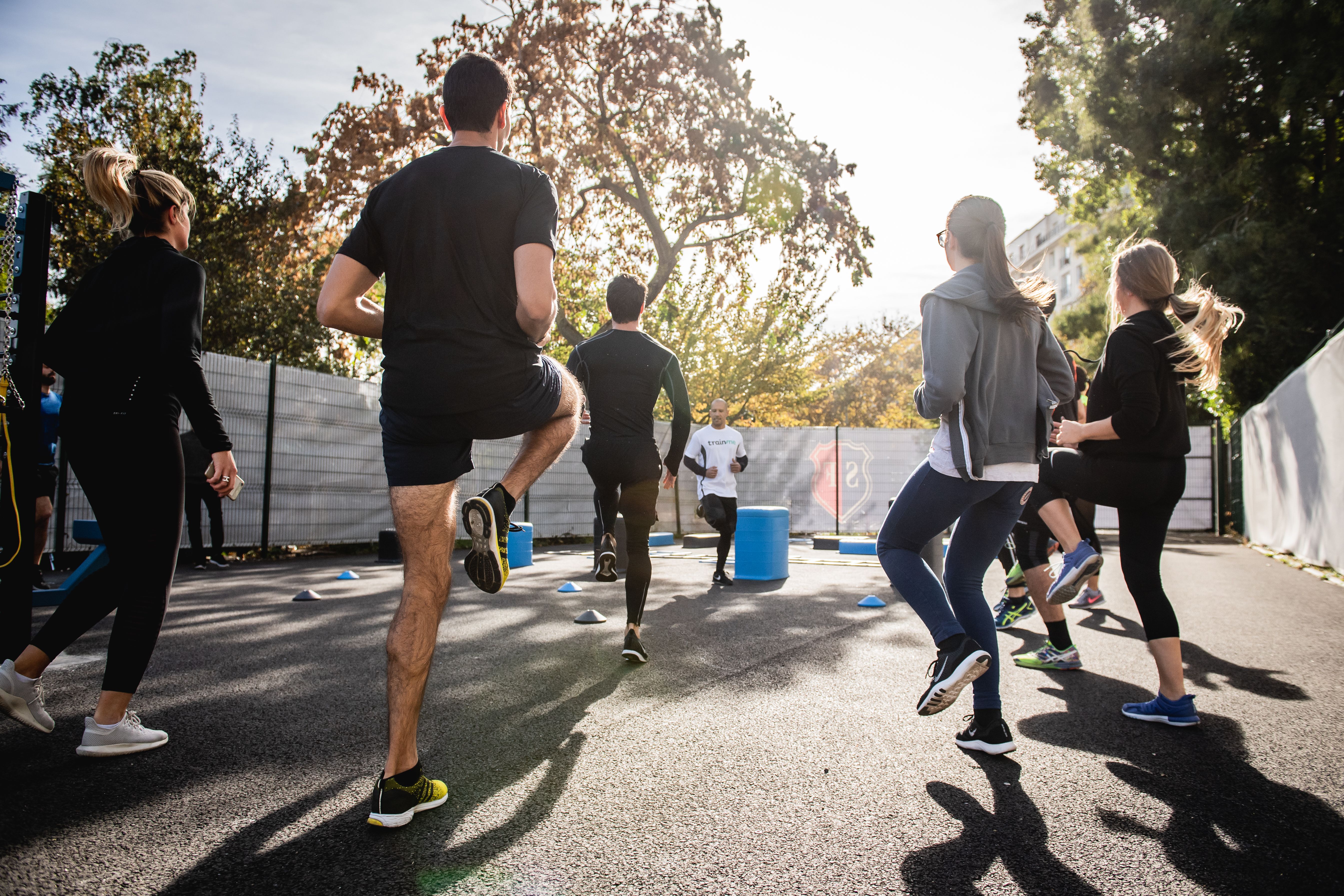
Group fitness classes, sports teams, walking groups, and recreational activities bring people together through shared interests. Social interaction can support emotional health and provide motivation to stay active.
Even exercising with a friend or family member can make physical activity more enjoyable and encourage consistency.
Supporting Healthy Lifestyle Habits
One positive habit often leads to another. Regular exercise can influence many other aspects of daily life.
People who stay active frequently become more aware of other healthy choices, including:
Drinking more water
Choosing balanced meals
Maintaining consistent sleep schedules
Managing stress effectively
Spending less time sitting
These combined habits contribute to improved quality of life and long-term health.
Staying Motivated With Simple Strategies
Starting an exercise routine does not require perfection. Consistency matters more than intensity.
Helpful strategies include:
Setting realistic goals
Choosing activities that are enjoyable
Scheduling workouts in advance
Tracking progress
Exercising with friends or family
Celebrating small achievements
Finding activities that fit individual preferences makes it easier to maintain an active lifestyle over time.
Fueling an Active Lifestyle
Physical activity and healthy daily habits often go hand in hand. Many people enjoy pairing their morning workout or active routine with a quality cup of coffee to start the day feeling focused and energized.
For coffee enthusiasts looking for rich flavor and premium-quality beans, check out Grassetto Coffee. Their selection can be a great addition to a balanced lifestyle and a productive morning routine.
Regular exercise affects nearly every aspect of daily life. It supports physical strength, mental clarity, emotional balance, quality sleep, heart health, and overall vitality. The benefits extend far beyond appearance, helping people perform daily tasks with greater ease and confidence.
Whether starting with a short walk, joining a fitness class, or building a structured workout routine, consistent movement can lead to meaningful improvements over time. Small actions performed regularly often create the biggest results, making exercise one of the most valuable habits for enhancing quality of life.
One or more of the links above are affiliate links, meaning, at no additional cost to you, we will earn a slight commission if you click through and make a purchase. Each of these products is chosen by a trusted member of our team.




Copyright 2024. All rights reserved